|
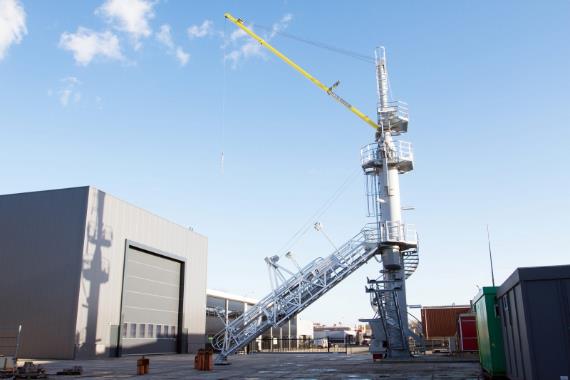
Loading railcars presents challenges that differ from working with road tankers. Trains are long, cars may stop at slightly different positions each time, and the height of the top platform varies between wagon types. Operators often need to access several cars in succession, which means equipment must be quick to deploy and easy to move. A dedicated railcar loading gangway addresses these issues by combining sufficient reach with a mechanism that can be lowered and raised in seconds. Some facilities install a series of units along the track, while others use a single gangway on a rail-mounted carriage that travels from car to car. Both approaches allow operators to work from a protected platform instead of climbing ladders on the side of each wagon, which is still common practice at older terminals. Planning access along the trackDesigning access for a rail terminal starts with understanding the traffic. The number of cars arriving each day, the time they stay and the products being loaded all shape the layout. Clearance is another important factor, since equipment must stay well clear of passing trains when retracted. Interlocks that prevent the train from moving while a gangway is deployed provide an extra layer of protection. More background on such solutions can be found at gangwaysolutions.com, and specialists like Gangway Solutions can assess the specific situation on site. Careful planning at this stage results in a terminal where operators can move efficiently from car to car, safely and without unnecessary delays. Build safe railcar access into your terminal upgradeIf your terminal still relies on ladders and side steps, there is clear room for improvement. Start by counting how often operators climb onto railcars during a typical week. Then consider how much time and risk a protected platform could remove from that routine. Discuss the results with your team and with an experienced supplier. Turn those insights into a concrete plan and give your rail operations the safe access they need. |